
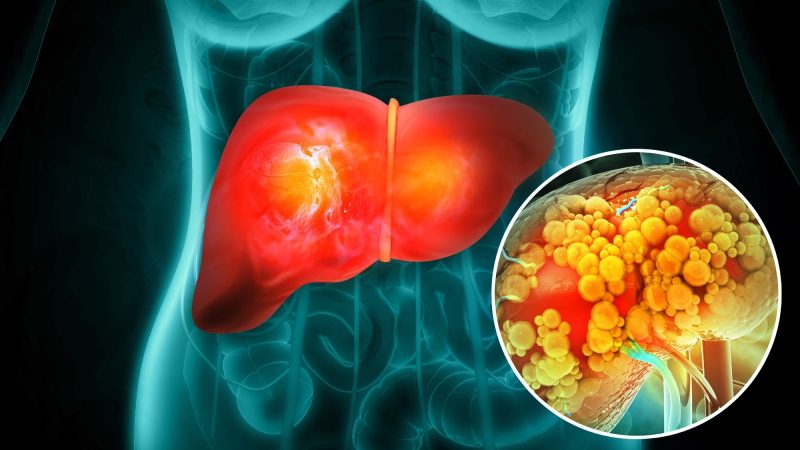
GLP-1 MASH Data: Semaglutide Histology Wins, Cirrhosis Gap Remains
A review of GLP-1 trial evidence finds semaglutide improves MASH histology in F2–F3 fibrosis but not in compensated cirrhosis, with long-term outcome data still pending.
A review of GLP-1 trial evidence finds semaglutide improves MASH histology in F2–F3 fibrosis but not in compensated cirrhosis, with long-term outcome data still pending.

A Targeted Onc headline asking whether GLP-1 drugs are the future of cancer prevention sits above six unrelated oncology updates — and no GLP-1 data at all.

A Science narrative review finds no reliable cognitive benefit from GLP-1 receptor agonists or tirzepatide, despite observational signals, with implications for peptide therapy marketing and sourcing.

The FDA has ordered class-wide GLP-1 label changes over rare NAION risk, while the UK MHRA alerts on semaglutide only. Evidence shows association, not causation.
Ambrosia Biosciences disclosed animal-model data at ObesityWeek 2026 for oral GLP-1 agonist AMB-895 and GIP antagonist AMB-131. No human data were reported.

The FDA ordered class-wide NAION risk labeling for all GLP-1 receptor agonists, citing a totality-of-evidence review. Absolute risk differences remain small and causation is unconfirmed.

A TMS 2026 retrospective cohort links menopause hormone therapy to greater semaglutide weight loss through 26 months, with no sustained tirzepatide benefit.
WHO has listed zantrutide as the INN for Hanmi’s HM15275 triple agonist. The naming milestone does not signal approval; obesity Phase 2 data are expected in H1 2027.
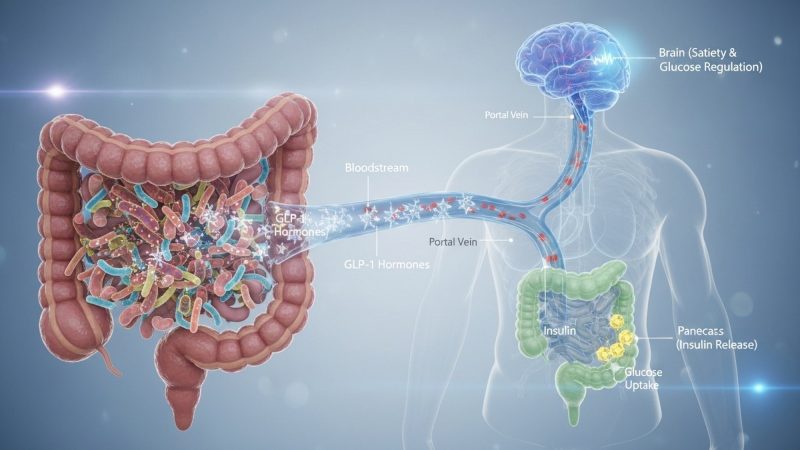
A review of GLP-1 brain evidence finds functional effects on reward and memory regions, but phase III EVOKE and EVOKE+ trials showed no cognitive benefit versus placebo.

Eli Lilly’s EloraTZP phase 2b trial reported 23.3% weight loss versus 14.8% for tirzepatide alone, with higher GI-related discontinuations. What it means for peptide therapy.